In this post (6 sections)
In short
- SEO is doing well: AI assistants read the same web that search engines index.
- ChatGPT leans on Bing’s index, Claude on Brave’s, and Gemini and AI Overviews on Google’s, so ranking well still predicts being cited.
- AI does mean fewer clicks on some searches, visibility across more of the page and more weight on brand mentions.
- Technical foundations, thorough content and genuine authority still decide who gets found, by Google and by AI.
Every few months someone declares SEO dead. The current version blames ChatGPT: if AI answers the question directly, why would anyone click through to your site?
It is a fair question with an unglamorous answer. SEO is doing well, because the AI tools everyone is worried about are reading the same web that Google indexes. Getting cited by an AI assistant and ranking in search turn out to be the same job.
How AI search actually gets its answers
This is the part that settles most of the argument. The major assistants do not have their own view of the web. They query existing search indexes.
- ChatGPT leans primarily on Bing’s index
- Claude uses Brave’s index
- Gemini and AI Overviews use Google’s
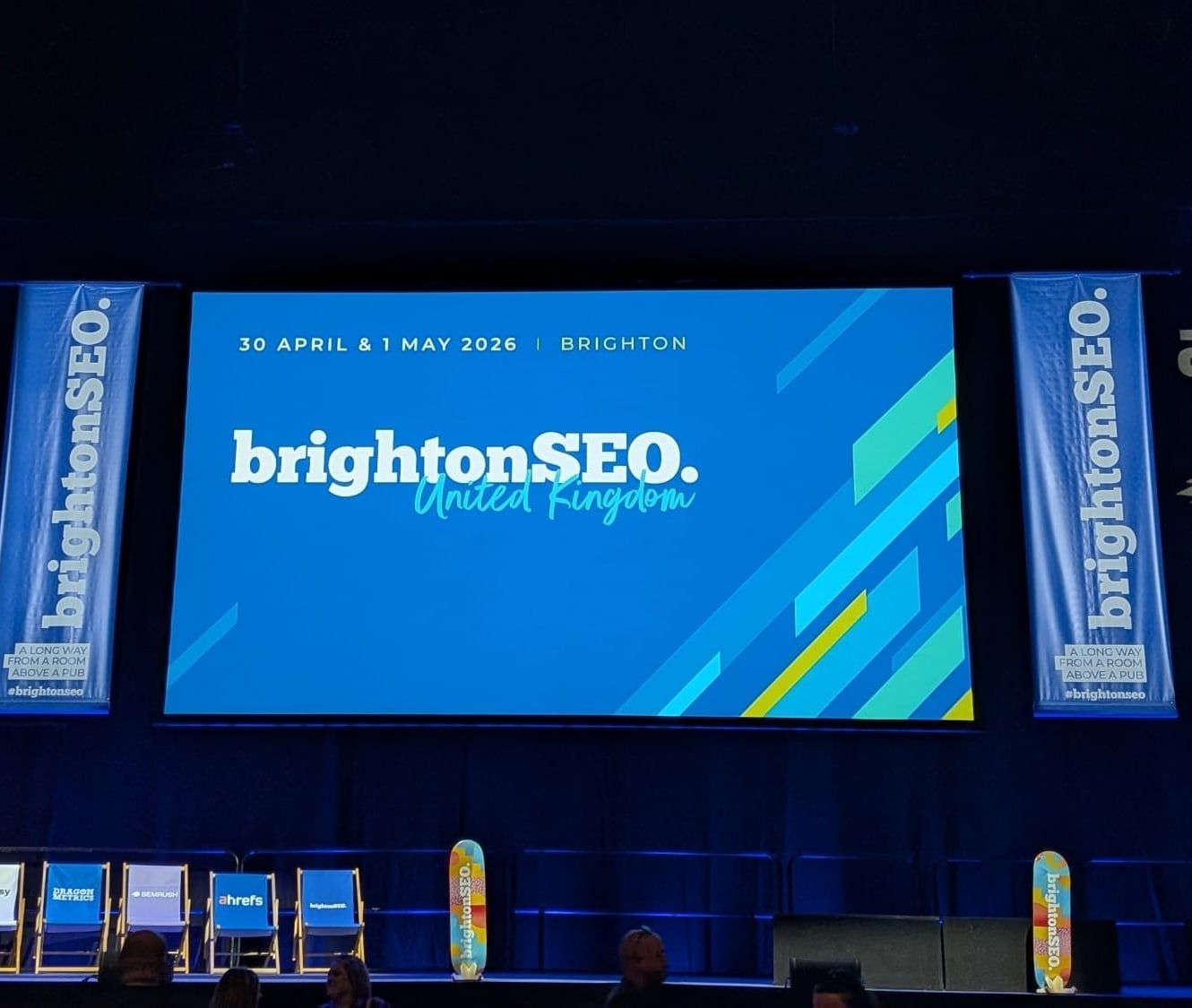
Ranking well in those indexes remains the strongest predictor of being retrieved and cited by an AI assistant. The plumbing underneath AI search is search. I went into this in more depth after BrightonSEO 2026, where several speakers arrived at the same conclusion from different directions.
What AI genuinely changes
Fewer clicks per search
When an AI answer sits at the top of the page, some searches end there. That is real, and it hits informational queries hardest. Commercial queries, where someone wants a supplier rather than a fact, still send people to websites because they need to choose someone.
Visibility now spans several surfaces
You can rank first organically and still sit below an AI answer, a set of ads and a map pack. The goal has widened from one position to coverage across the page, which I unpack in why ranking first no longer delivers real visibility.
Brand mentions carry more weight
How often your business is mentioned across the web turns out to be one of the strongest signals for appearing in AI answers. Digital PR, local press, directories, partner sites and review platforms all feed that.
What has not changed
Technical foundations
Crawlability, indexing, page speed, mobile rendering and structured data decide whether your content is available to be used at all. An AI cannot cite a page it cannot reach. This is the same technical SEO work as ever.
Content that answers the whole question
AI systems break a query into sub-questions and gather sources for each. Pages that cover a topic thoroughly, with clear headings and direct answers, get pulled into more of those slots than pages that skim.
Authority
Links and mentions from credible organisations still determine which sources get trusted. That has held through every algorithm shift of the past decade and it holds here.
On the AEO and GEO sales pitch
A lot of agencies now sell Answer Engine Optimisation or Generative Engine Optimisation as a separate service with its own invoice line. Read the playbooks and you will find recycled SEO principles with new vocabulary.
The honest position is that AI visibility is an outcome of good SEO rather than a parallel discipline. If your foundations are weak, no amount of GEO tactics will rescue them. If they are strong, AI visibility largely follows. Be cautious of anyone guaranteeing LLM citations, because the tracking tools for that are early and the data is noisy.
Where AI is genuinely useful
On the production side, AI is a real gain. Research synthesis, first drafts, structuring outlines, generating variations, checking work against a list of criteria consistently. It removes the drag from the parts of the process that were always mechanical.
What it does not do is decide what your business should say, or judge whether a page is good enough to publish. That is still a person’s job, and it is where the value has moved.
What to do about it
Get the fundamentals right and the AI question mostly answers itself. Fast site, clear structure, a page for every service, thorough content, genuine authority, an accurate Google Business Profile if you serve a local market.
A free SEO audit shows you which of those are in place today and which are worth attention first.