In this post (10 sections)
- When ranking first actually meant something
- What a results page looks like today
- Why traffic falls while rankings hold
- Google assembles answers rather than ranking pages
- What modern SEO focuses on
- What this means for your business
- Does ranking first still matter?
- SEO is still worth it, and it needs to evolve
- The real goal now
- Where to look first
In short
- Ranking first no longer guarantees visibility: AI answers, ads, snippets and maps often sit above the organic results.
- Traffic can fall while rankings hold, because many searchers find what they need before reaching your listing.
- Google now builds each results page from several sources, so the goal is to appear wherever people look.
- Modern SEO covers AI answers, featured snippets, People Also Ask, maps and organic listings, on clean technical foundations.
If you have ever said “my website ranks number one on Google, but traffic is not growing”, you are in good company. It is one of the most common frustrations I hear, and it usually leads to doubt about whether SEO works at all.
The explanation is simpler than that. SEO still works. The way Google presents results has changed.
When ranking first actually meant something
For a long stretch, search was straightforward. Type a query, see ten blue links, click the first one.
Between roughly 2012 and 2016, ranking first meant maximum visibility, the majority of the clicks, and a clear advantage over everyone below you. So the goal of SEO became simple: get to number one.
That logic made sense then. It describes very little of how search works now.
What a results page looks like today
Search for almost anything commercial and Google assembles a page rather than listing one. On a single query you might see:
- An AI-generated answer at the top
- Sponsored ads
- A featured snippet
- People Also Ask questions
- Maps and local results
- Videos, images and reviews
- Then the organic listings
Your site can be first organically and still appear third, fourth or fifth on the screen. On mobile it can be several scrolls down, well after the point where many visitors have what they came for.
Why traffic falls while rankings hold
Most business owners assume falling traffic means falling rankings. Often the position has not moved at all.
What happened instead is that some users got their answer from the AI Overview, some clicked an ad, some expanded the FAQs, and many never reached the organic results. The ranking held. The visibility dropped.
This is not a penalty. It is how the results page is now designed.
Google assembles answers rather than ranking pages
This is the shift worth understanding. For most searches, Google is no longer picking a single winner. It is building an answer from several sources at once.
On one query, one site may power the AI Overview, another may own the featured snippet, others appear in the FAQs or the map pack, and several still rank organically. One search, several winners.
The old goal was to rank a page first. The new goal is to be present wherever the user actually looks.
What modern SEO focuses on
- Understanding what the searcher actually wants at that moment
- Knowing which result features matter for your specific audience
- Writing content that answers questions directly and completely
- Structuring pages so Google can reuse them across different result types
- Building the brand mentions and authority that AI answers lean on
- Keeping the technical foundations clean, because everything above depends on them
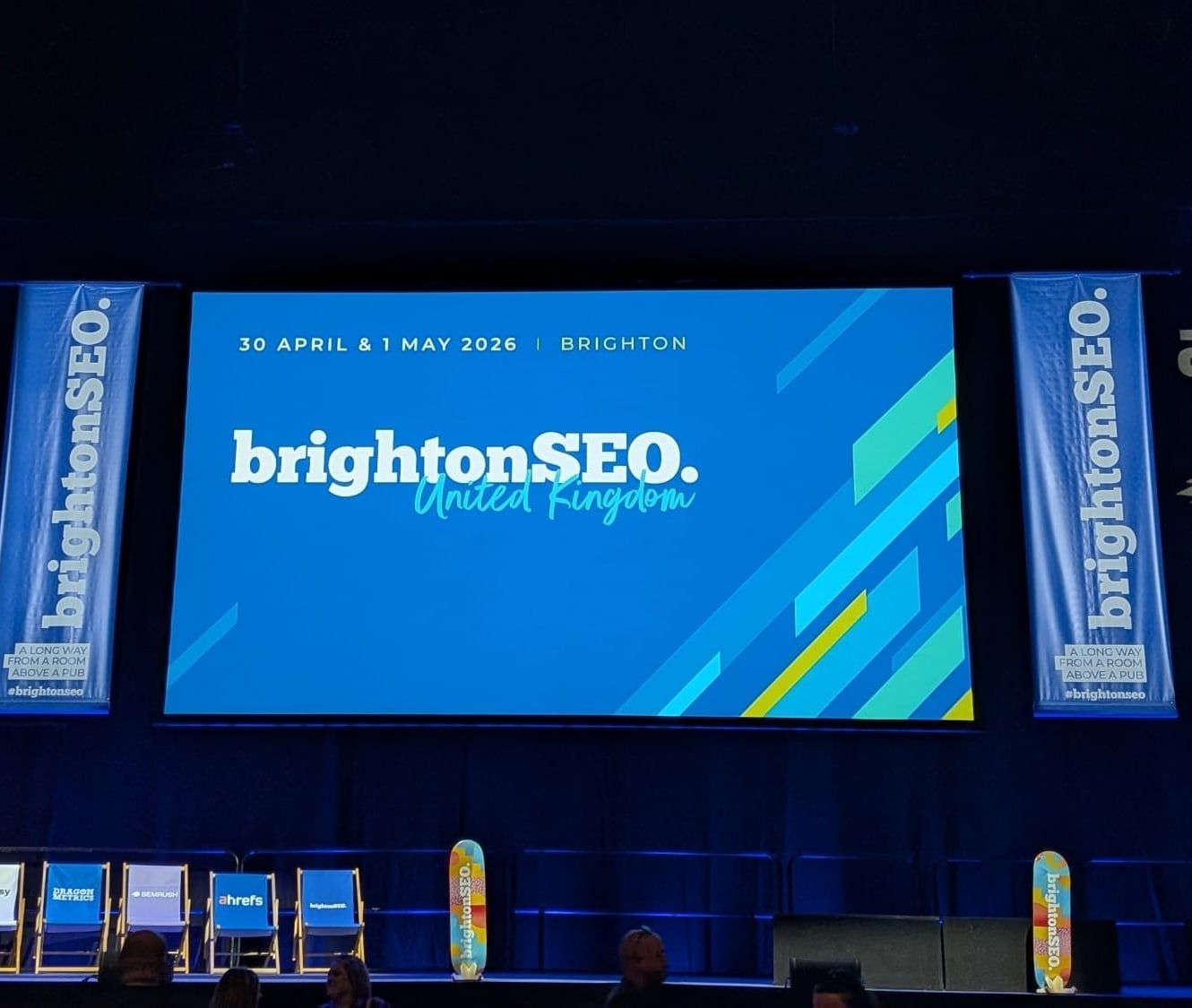
SEO has become a visibility strategy rather than a ranking contest. That framing also settles the AEO debate: the work that gets you into AI answers is the work that gets you into search results, which I set out in more detail after BrightonSEO 2026.
What this means for your business
If your strategy still revolves around one keyword, one page and one position, there is a lot of visibility sitting unclaimed.
A current approach covers AI answer inclusion, featured snippets and People Also Ask, organic listings, local and map visibility where relevant, and what happens on the page once someone finally arrives. Traffic now comes from coverage rather than dominance.
Does ranking first still matter?
Yes, and it is no longer the finish line. Strong organic rankings still support trust, authority and long-term presence. What they no longer do on their own is guarantee that anyone sees you.
SEO is still worth it, and it needs to evolve
Search remains one of the strongest long-term channels available when it is done properly. High intent traffic, sustainable growth, results that compound rather than stop when the budget does.
What has stopped working is treating it the way it was treated ten years ago. Search changed, user behaviour changed, and the strategy needs to follow.
The real goal now
The old goal: rank my website number one.
The new goal: be visible wherever the user looks on the results page. That means AI Overviews, featured snippets, People Also Ask, organic results, maps, reviews and media.
Where to look first
If your SEO reports look healthy and your enquiries are flat, the issue may be visibility rather than position. A free SEO audit shows you which surfaces you currently appear on and which ones are available to you.
If you want an SEO strategy built around how Google works now, tell me what you are trying to achieve. I will give you a clear view of what is realistic, what is worth doing, and what will actually move the number you care about.